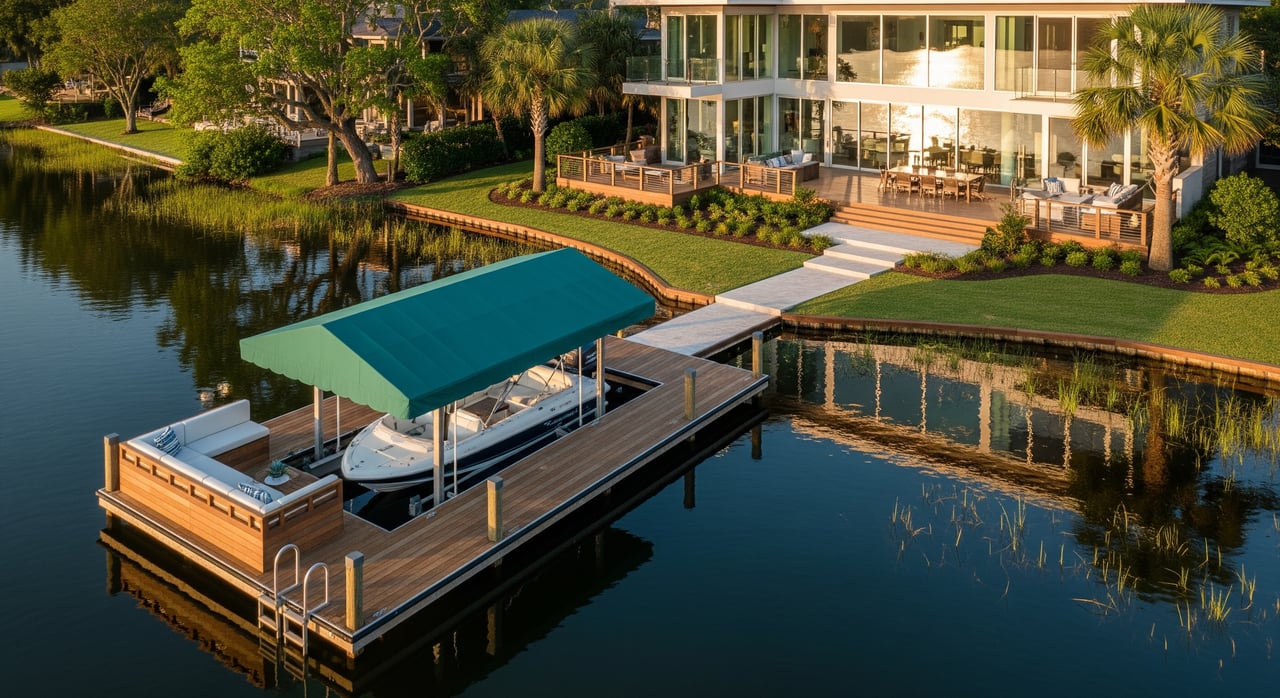
Picture sunrise over glassy water, a mug in hand, and your boat ready at the dock. If you are dreaming of that Winter Haven lifestyle, you also want to be sure you buy the right lakefront home. In this guide, you will learn what to check about docks and shorelines, how permits work, what insurance and financing look like, and how waterfront value differs from inland homes. Let’s dive in.
Lakefront basics in Winter Haven
Winter Haven’s Chain of Lakes offers connected waterways, boating access, and scenic views. That same water access creates unique due diligence for buyers. A lakefront home may include a dock, lift, or seawall, along with easements and shoreline rules you do not see on non-waterfront lots. Start with a clear survey and a plan to verify permits and maintenance records.
Shoreline and survey details
Ask for a current boundary survey that shows the waterline, any easements, and improvements near the shore. Confirm where your property line stops at the water’s edge and whether any portion of the lakebed is state controlled. Your title search and county property appraiser records can reveal recorded rights and restrictions that affect use.
Docks, lifts, and seawalls
Review permits and approvals for any existing dock, boathouse, lift, or seawall. Look for signs of rot, corrosion, or undermining at pilings and seawalls. Clarify who owns and maintains the structure, including any shared or community dock. If you plan to replace or expand a dock, confirm if new permits are required and what size or placement rules apply.
Water levels and connectivity
Water levels can change with rainfall, drought, and water management operations. Some lakes connect to others by canals, which affects navigability and seasonal variation. Ask the seller or lake association about low-water periods and performance of docks and ramps during dry months.
Water quality and algal blooms
Florida lakes can experience nutrient-driven algae and cyanobacterial blooms that affect recreation and use. Review recent water quality reports and any harmful algal bloom advisories for the specific lake. Ask about testing and any remediation efforts such as alum treatments or aeration.
Septic, wells, and utilities
Confirm whether the home is on public sewer or septic. If septic, schedule a full inspection and pump-out, and verify drain-field setbacks from the lake. If the property uses a well, test for bacteria, nitrates, and other contaminants. Check for utility easements that affect access and maintenance near the shoreline.
Bank stability and erosion
Walk the shoreline to look for erosion, tree root loss, or recent stabilization work. Ask for records of past shoreline permits and projects. If you expect to stabilize in the future, find out which methods are allowed and what approvals are needed.
Permits and approvals to confirm
Waterfront activity often involves multiple agencies. Before you buy, confirm who regulates your lot and the adjacent water.
City or county requirements
Depending on whether the home is within the City of Winter Haven or unincorporated Polk County, you will work with different permitting offices. Local rules can cover docks, seawalls, shoreline modifications, zoning, setbacks, and lot coverage. Review permit history and any recorded easements in county records.
State, district, and federal layers
The Florida Department of Environmental Protection may require permits for activities waterward of the mean high-water line or for work that affects surface waters. The regional water management district manages water levels and issues some water resource permits. In certain cases, the U.S. Army Corps of Engineers may be involved if work affects navigable waters or wetlands.
Lake associations and HOAs
Many Winter Haven lakes have associations or HOAs that set rules for docks, mooring, no-wake zones, boat size, invasive species controls, and community weed management. Review covenants for any limits on rental use, boat motors, or dock design, and ask about fees or assessments.
Flood risk and insurance basics
Waterfront homes face flood and wind exposures that affect both cost and lending.
- Flood zones come from FEMA flood maps such as AE, VE, or X. Even if a parcel is outside a Special Flood Hazard Area, lakefront parcels can flood during heavy rain and high lake levels. Ask about any historical flooding.
- If a home is within a Special Flood Hazard Area and you use a regulated mortgage, flood insurance is typically required. Flood coverage is available through the National Flood Insurance Program and private carriers.
- Standard homeowner policies exclude flood but cover wind, subject to separate deductibles. Florida insurance markets can be volatile, so obtain quotes early and check for wind mitigation credits tied to roof age and construction.
- Budget for an elevation certificate if needed, and consider mitigation such as elevating HVAC and utilities to reduce risk and help with premiums.
Financing and appraisal for waterfront
Waterfront valuation works differently from inland homes, and lenders know it.
- Appraisers prefer recent sales on the same lake or within the Chain of Lakes. If sales are limited, the appraiser may need broader comps and larger adjustments.
- Lenders sometimes apply conservative loan-to-value guidelines on waterfront properties, especially where flood exposure or unique improvements complicate value.
- Marketability can swing based on lake-specific factors such as algae history, navigability, or boating restrictions. That can affect timing and price on resale.
How lakefront value is set
Several elements drive pricing for Winter Haven lakefront homes. Understanding them will help you interpret comps and offers.
- Water access and type. Direct, deeded lake access with a private dock and navigability to larger bodies typically commands a premium over lots without true access.
- Lake characteristics. Size, depth, water clarity, scenic quality, fishing, and any history of algae advisories influence demand and value.
- Shoreline frontage. More usable linear feet of frontage often increases value, though the quality of access and view matters too.
- Viewshed and obstructions. Clear, open views tend to appraise higher than lots with heavy vegetation or structures blocking the line of sight. Low water that limits boating can reduce value.
- Improvements. Condition and quality of docks, lifts, boathouses, and seawalls can add value. Deferred maintenance or failing structures can be a liability.
- Elevation and flood zone. Higher-risk flood zones or lower finished floors may warrant downward adjustments compared to similar homes at higher elevations.
Buyer checklist for Winter Haven
Use this practical checklist from first showings through closing.
Before you write an offer
- Confirm if the property is in the City of Winter Haven or unincorporated Polk County.
- Ask for the most recent survey, title commitment, and any lake access agreements or easements.
- Request permits and repair records for docks, lifts, boathouses, and seawalls.
Inspections and reports
- General home inspection for structure, roof, HVAC, electrical, and plumbing.
- Shoreline and seawall inspection by a waterfront contractor.
- Dock and lift inspection with permit verification.
- Septic inspection and pump-out if applicable, and obtain permit history.
- Well water test if applicable.
- Professional survey if the seller’s survey is old or unclear on the waterline or setbacks.
- Flood elevation certificate if required or to help price insurance.
- Environmental check of recent water quality tests and any harmful algal bloom advisories.
Insurance and financing
- Obtain homeowner, wind, and flood insurance quotes early in your contingency period.
- Confirm your lender’s appraisal expectations for waterfront and whether they want a waterfront-experienced appraiser.
- Budget for potential mitigation such as elevating systems or repairing seawalls.
Regulatory and community review
- Verify that prior dock or seawall work was permitted and inspected.
- Review HOA or lake association rules and any assessments for weed control or lake management.
- Ask planning staff about nearby development that could affect views or water quality.
Day-to-day living and operations
- Confirm navigability to other lakes, depth at your dock, and any seasonal low-water concerns.
- Clarify who maintains the shoreline and any shared canals, and whether there are annual lake maintenance fees.
Smart questions to ask
- What is the typical lake level range each year, and how does it affect docking and boating?
- Have there been harmful algal bloom advisories in recent years, and what steps were taken?
- Are there speed zones, no-wake areas, or boat size limits on this lake?
- What is the age and maintenance history of the dock, lift, and seawall?
- Is the home in a mapped flood zone that will require flood insurance for my loan?
Next steps with a local specialist
Buying on the water is about lifestyle and details. With lake-by-lake rules, dock permits, and flood considerations, the right guidance can save you time and money. If you want a clear plan from search to closing, connect with Winter Haven real estate agents that live and work around these lakes every day. Reach out to The Small Team for boutique, lakefront-focused buyer representation and a straightforward path to the dock life you want.
FAQs
What should I inspect first on a Winter Haven lakefront home?
- Start with the dock, lift, and seawall condition and permits, then confirm shoreline boundaries on a current survey before you move to general home systems.
How do flood zones affect my mortgage on a lakefront property?
- If the home is in a Special Flood Hazard Area, your lender will typically require flood insurance, and an elevation certificate may be needed for rating and approval.
Do I need permits to replace a dock or seawall in Polk County?
- Yes, most dock or seawall work requires local permits, and some projects also need approvals from state or federal agencies depending on scope and location.
Can water quality or algae advisories affect value and use?
- Yes, harmful algal blooms and water clarity can limit recreation, reduce buyer demand, and influence appraisals, so review recent reports and history.
Are HOA or lake association rules common on Winter Haven lakes?
- Many lakes have associations or HOAs that set rules on docks, mooring, boating, and maintenance, and may have assessments for lake management.
What makes lakefront comps different from non-waterfront comps?
- Appraisers focus on access, frontage, lake characteristics, views, and improvements, and they prefer recent sales on the same lake due to unique value drivers.