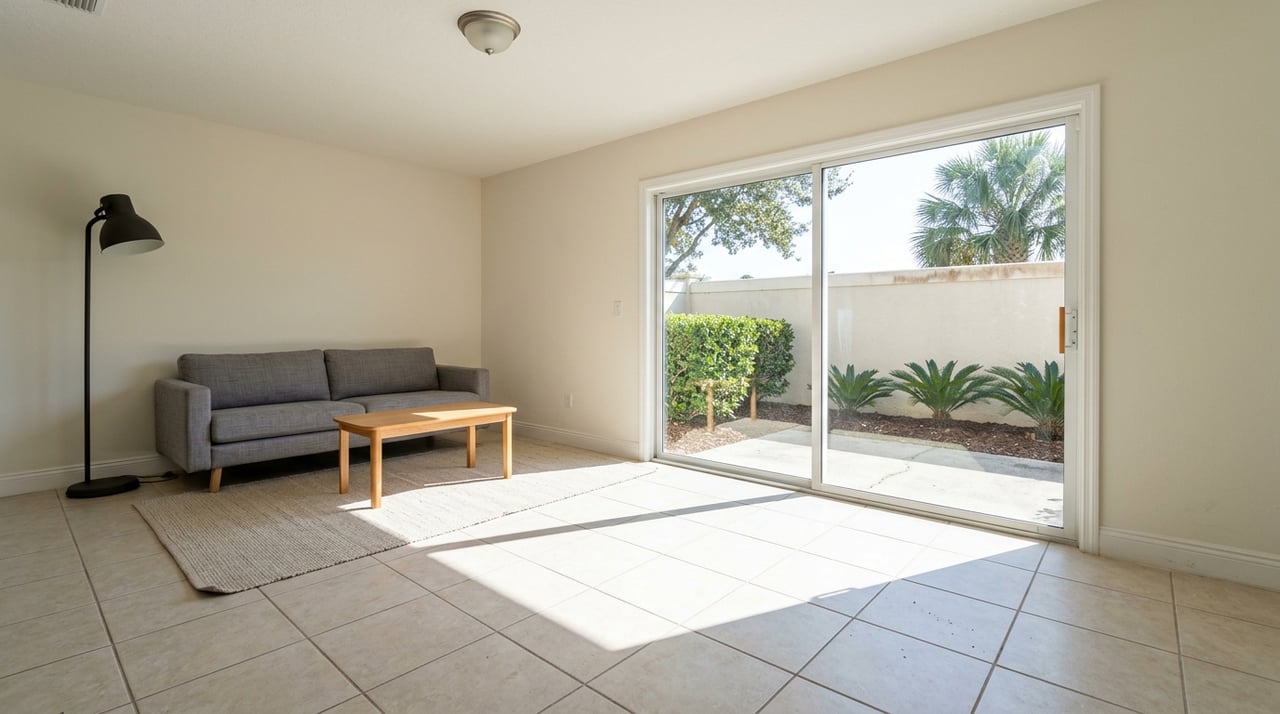
Buying your first home in Lakeland can feel exciting and overwhelming at the same time. You may be wondering how much house you can afford, which neighborhoods fit your goals, and what surprises might show up between offer and closing. The good news is that a clear plan can make the process much easier. This step-by-step guide will help you prepare, shop smarter, and move forward with more confidence. Let’s dive in.
Start With Your Budget
Before you tour homes, get clear on your full monthly housing cost. The Consumer Financial Protection Bureau says homeownership costs can include your mortgage payment, property taxes, homeowners insurance, and any HOA dues. It also notes that closing costs often run about 2% to 5% of the purchase price, separate from your down payment, so it helps to plan for more than just the price of the home.
A strong first step is mortgage preapproval. According to the CFPB’s homebuying guidance, a preapproval letter gives you a tentative loan amount before you start shopping. That can help you set a realistic price range and avoid falling in love with a home that stretches your budget too far.
Explore First-Time Buyer Programs
If you are buying your first home, you may have access to programs that can lower your upfront costs. Florida Housing’s Homebuyer Program offers 30-year fixed-rate first mortgages through participating lenders, along with down payment and closing-cost assistance for eligible buyers. The program page also lists requirements such as a minimum 640 credit score, homebuyer education, income limits, purchase-price limits, and use of a participating lender.
Lakeland buyers should also pay close attention to local options. The City of Lakeland Home Purchase Assistance Program can provide up to $40,000 for eligible buyers purchasing within city limits. The city also offers an interactive map for new-construction homes, which can be helpful if you are comparing a resale home with builder inventory.
One more program may come up in your research. Florida Housing’s Hometown Heroes page says all available 2025-2026 funding had been committed as of February 27, 2026, so treat it as a program to verify rather than one you should assume is currently open.
Learn Lakeland’s Housing Types
Lakeland is not one uniform housing market. The city has a wide mix of housing styles, and the type of home you choose can affect your budget, maintenance plan, and even eligibility for some assistance programs. That is one reason it helps to look at specific areas instead of treating the entire city the same way.
The City of Lakeland historic preservation page notes that Lakeland has seven local historic districts covering 1.42 square miles, with more than 1,600 historic buildings. The city also provides neighborhood maps, district summaries, and an address lookup tool, which can help you understand where a property sits and whether historic district guidelines may apply.
Compare Neighborhood Character
As you narrow your search, pay attention to the age and style of homes, not just the list price. In Lakeland, neighborhood character can change quickly from one area to the next.
Some examples include:
- Historic Dixieland, known for many bungalow homes from the 1920s through 1940s and a walkable layout
- Historic Biltmore, with brick-paved streets and a mix of architectural styles from the 1920s through the 1950s
- Cleveland Heights, which the city describes as an area with a mix of modest starter homes and larger properties built in the 1950s and 1980s
- Lakeshore, with homes along the east shore of Lake Parker
- Historic Lake Hunter Terrace, where buyers may see bungalow-era homes alongside later masonry vernacular and wood-frame construction
- Shore Acres, a residential area with many homes built in the 1920s through 1950s
For first-time buyers, the practical takeaway is simple. Older homes can offer charm, mature trees, and established locations, but they may also deserve closer review of roof age, plumbing, electrical systems, and maintenance history. That does not mean every older home has issues, but it does mean due diligence matters.
Build Your Home Search Plan
Once you know your budget and target areas, create a short list of must-haves and nice-to-haves. This keeps you focused when listings start moving quickly. It also helps you compare homes more objectively.
A simple first-time buyer checklist might include:
- Monthly payment range you want to stay within
- Preferred home type, such as resale or new construction
- Commute or travel priorities
- Desired lot size or outdoor space
- Interest in lake-adjacent or historic areas
- Comfort level with repairs or updates
In Lakeland, that last point is especially important. A lower-priced home may look attractive at first, but if it needs major system updates, your total cost of ownership could be higher than expected.
Make A Smart Offer
When you find the right home, your offer should protect you as much as possible. The CFPB recommends making offers contingent on financing and a satisfactory inspection. Those contingencies can give you an important path forward if the loan falls through or the inspection reveals major concerns.
This matters even more in a market like Lakeland, where many appealing homes may be older or located near lakes. Features that attract buyers, such as age, character, or water proximity, can also make inspections and insurance reviews more important.
Prioritize Inspections Early
A home inspection and an appraisal are not the same thing. The CFPB explains that the inspection should be scheduled as soon as possible and can help you identify problems that may support repair requests or closing-cost credits. The appraisal, by contrast, is mainly for the lender.
For first-time buyers, inspections are one of the best tools you have. They can help you understand the condition of the home before closing and avoid surprises after move-in. If you are buying an older home in Lakeland, this step deserves extra attention.
Check Flood And Insurance Details
Flood risk is a major part of buying in many parts of Florida, and Lakeland is no exception. FEMA says federally regulated lenders require flood insurance for buildings in a Special Flood Hazard Area, and standard National Flood Insurance Program policies generally have a 30-day waiting period unless an exception applies. That is why you do not want to wait until the last minute to check flood risk.
The City of Lakeland says its flood-prevention resources include property-level flood information, flood-zone maps, and elevation certificate tools. You can also use FEMA’s Flood Map Service Center to review flood information for a property. If a home is near water or in a lower-lying area, this should be part of your early research, not an afterthought.
Lakeland also notes that its current Community Rating System class is 7, which the city says saves policyholders 15% on flood insurance premiums when the home is in a Special Flood Hazard Area. In addition, the city’s flood-prevention information points buyers to the My Safe Florida Home program, which offers free hurricane inspections for eligible site-built, single-family Florida homes built before 2008.
Review Closing Costs Carefully
Once your offer is accepted, the next phase gets more document-heavy. The CFPB says buyers should submit underwriting documents, schedule inspections, shop for homeowners insurance, and compare title insurance and other closing services. You will also receive a Loan Estimate early in the process and a Closing Disclosure at least three business days before closing, giving you time to compare terms and catch errors.
Florida buyers should also know that closing costs can include state taxes and recording-related charges. The Florida Department of Revenue says deeds that transfer an interest in Florida real property are subject to documentary stamp tax, and certain mortgage obligations can also be taxable under the state’s rules. In other words, your closing costs are not just lender fees.
Plan For Taxes After Closing
Your monthly payment does not stop being important once you get the keys. Property taxes can change, and first-time buyers should understand how Florida’s homestead rules may affect long-term costs.
The Florida Department of Revenue says the homestead exemption can reduce taxable value by as much as $50,000 and also qualifies the property for the Save Our Homes assessment limitation. Polk County property appraiser materials say first-time applicants must file by March 1, and the benefit applies when the home is your permanent residence as of January 1.
That filing matters because Polk County also explains that Save Our Homes limits annual increases in assessed value on homesteaded property. For you, the practical step is to estimate taxes before you buy, then review them again after filing homestead so your monthly housing budget reflects the likely ongoing cost.
Follow A Simple Buyer Timeline
If you like having a checklist, this basic timeline can keep you on track:
- Review your income, savings, and monthly comfort range.
- Get preapproved with a lender.
- Research first-time buyer assistance options.
- Define your target areas and home type.
- Tour homes and compare total ownership costs.
- Make an offer with financing and inspection contingencies.
- Complete inspections and review insurance needs.
- Submit underwriting documents and review disclosures.
- Prepare for closing costs, taxes, and move-in expenses.
- File for homestead exemption if eligible after closing.
Work With Local Guidance
Buying your first home in Lakeland is easier when you have a clear process and local insight. From historic homes and lake-adjacent properties to first-time buyer assistance and flood-risk checks, the details matter. The right guidance can help you avoid costly surprises and make decisions that fit both your budget and your lifestyle.
If you are planning your first home purchase in Lakeland or anywhere in Polk County, The Small Team can help you understand your options, compare neighborhoods, and move through the process with confidence.
FAQs
What should first-time homebuyers in Lakeland budget for besides the down payment?
- First-time homebuyers in Lakeland should also budget for closing costs, property taxes, homeowners insurance, and any HOA dues, since those expenses are separate from the down payment.
Are there first-time homebuyer assistance programs in Lakeland, Florida?
- Yes. Eligible buyers may explore Florida Housing programs and the City of Lakeland Home Purchase Assistance Program, which can offer up to $40,000 for qualifying purchases within city limits.
Why do older Lakeland homes need extra inspection attention?
- Many Lakeland neighborhoods include homes built decades ago, so buyers should take a closer look at items like roof age, plumbing, electrical systems, and maintenance history.
How do Lakeland homebuyers check flood risk before buying?
- Buyers can review local flood resources through the City of Lakeland and use FEMA’s Flood Map Service Center to check flood-zone information for a specific property.
What should first-time buyers in Polk County know about homestead exemption?
- If the home is your permanent residence and you meet eligibility rules, homestead exemption may reduce taxable value, and first-time applicants generally need to file by March 1.